In my course this week, I listened to an episode of the Social Pros Podcast. Daniel Lemin and Leanna Pham interviewed Jayde Powell – a social media powerhouse. If you haven’t listened, I’d highly suggest tuning in. Leanna filled in this week for Hannah Tooker, but across the board, they have some amazing guests and incredible insight.
The transformation that we’ve seen in the Twitter to X development demonstrates how rapidly social media can change. Understanding how to roll with the punches and creating a strong portfolio across multiple platforms allows some creators, such as Jayde Powell, to succeed.
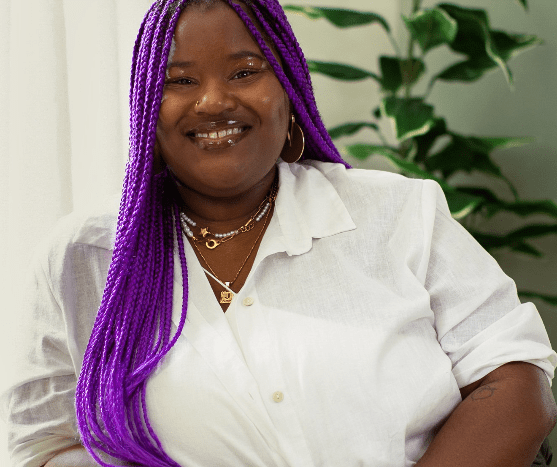
Jayde juggles a number of projects including Founder and Head of Creative of Em Dash, Co-Founder of Weed For Black Women, and #CreatorTeaTalk which is a series on LinkedIn. By maintaining multiple projects, Jayde cultivated her own brand as a “creatorpreneur.” Her willingness to experiment, and to fail, from a young age allowed her to maintain multiple strategies which suited the social media platforms she utilized while creating a unified authentic voice. Having the mentality “who’s gonna stop me” and fostering the confidence to take risk enabled her to break out on LinkedIn.
Balancing multiple platforms is a risk. There’s a chance a creator/marketer will spread themselves too thin, but a unified strategy off which multiple subdivisional plans are formed provides a stronger foundation that balances the variability of social media platforms without causing marketing stagnation. I would have loved if the podcast explored this a bit more. I also appreciated Jayde speaking on the importance of blocking those who threaten “her peace.”
A number of current influencers started out as creators or social media marketers at larger companies. Numerous YouTube influencers can trace their roots to Buzzfeed, College Humor, and similar brands which rose to popularity in the 2010s. An adaptive marketing approach which puts too much emphasis on the visible face rather than the brand itself crumbles if the company doesn’t have the means to retain their top employees. However, as Jayde points out, going in the opposite direction and doing one-off campaigns with influencers underutilizes them. Instead, she suggests a more well-balanced symbiotic relationship between creators and businesses. Other influencer marketing posts supported long-term over one-off campaigns as well.
Hiring an influencer does not wipe out marketing expectations. If anything, the negotiations and research involved are extremely important, allowing businesses to have clear expectations for these marketing campaigns. Social media offers a direct connection to a business’s target audience, and by listening to them, companies are better able to turn data into strategies. However, flexibility and adaptability are key. Unexpected trends can go viral, and a strong social media marketing team is invaluable.
Overall Takeaway
The three main takeaways from this episode for me are: 1) never enter a negotiation with an influencer or a business without a clear understanding of your goals and non-negotiables; 2) social media is a rapidly changing market – flexibility and adaptability need to be built into any social media marketing strategy; and 3) in order to succeed in social media, marketers must accept the possibility of failure and take risks.
Featured Image: Social Pros Podcast
Additional Readings:
- Butler, R. R. (2021, March 23). The Golden Age of The Creator: How The Power Is Shifting In Entertainement. Forbes.
- Lammertink, S. (2024, January 31). How do you negotiate with influencers? The Cirqle.
- Schwartz, Q. (2024, March 29). Top 11 Influencer Negotiation Tips for Landing the Perfect Creator Partnership. GRIN.
- The rise and fall of BuzzFeed in the Shifting Landscape of Marketing strategies. (2024, January 16) Brand Vision.
 Eli Celata
Leave a Reply